How Incorrect V-Die Selection Leads to Press Brake Bending Defects
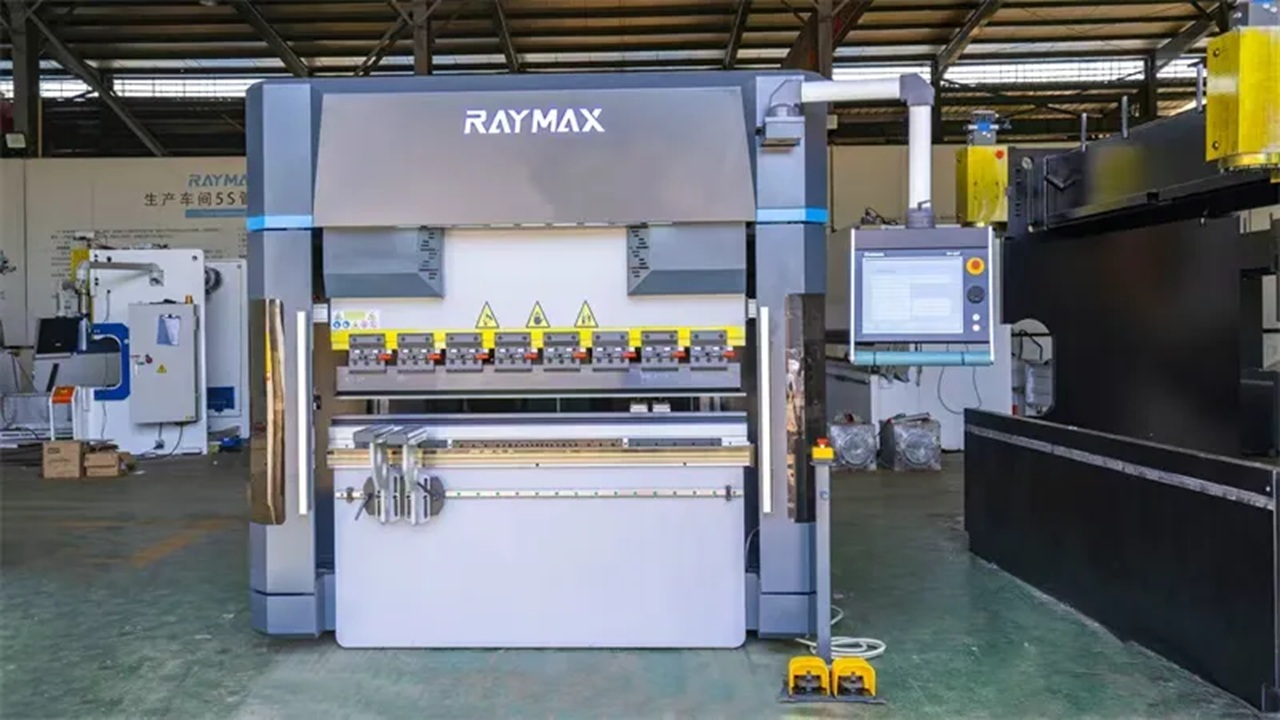
In press brake bending, many factors come into play. These include the tonnage, bend angles, and machine programming itself. However, there is one important point to consider: choosing the right V-die. The V-die affects the bending process, pressure distribution, and the shaping of the end product. Using the wrong V-die leads to bending errors even when other process elements are in perfect condition. Such errors may manifest as issues with angles, surface imperfections, cracks, measurement inaccuracies, and instability in repeatability. Understanding how V-die selection affects bending quality helps reduce production errors and unnecessary rework. Check out raymaxtech.com to learn more about Raymax’s Press Brakes.
The Role of the V-Die
The V-die supports the material during bending and controls how the sheet flows under pressure. The opening width of a die plays an important role in determining the bending force, inside radius, and material behavior. When the dimensions of the die are too large or too small, the influence of this parameter on the properties of the material in bending is affected. Even slight changes can affect the results.
Narrow V-Die Problems
Using a V-die that is too narrow significantly increases bending pressure. When the pressure increases, the load on the metal surface and the bending area also increase. This leads to metal scratching or deformation in the bending area. This problem is mostly seen with thin stainless steel and coated materials.
Cracking Near the Bend Area
Another source of cracks is excessive pressure from a very small die. If the material cannot bend sharply, it breaks. The crack will appear in the bend where the material stretches. This phenomenon is more common with stiff materials or larger sheets.
Wide V-Die Issues
A V-die that is too wide creates different problems. The material receives less support during bending, making angle control less stable. This can lead to inconsistent bending results and increased springback. Operators may struggle to achieve the target angle without repeated adjustments.
Angle Variation Increases
When the die opening is oversized, the sheet may move differently during each bend cycle. Small material differences become more noticeable because the bending process is less controlled. This creates angle variation between parts, especially during long production runs. In production systems such as those used on RAYMAX press brakes, stable die selection is important for maintaining repeatability.
Surface Protection Problems
Some materials require clean, scratch-free surfaces. Incorrect V-die selection can damage appearance-sensitive parts even when protective film is used. Excessive contact pressure or unstable sheet movement may leave visible defects that cannot be repaired later. This is a major concern for decorative stainless steel and painted materials.
Inside Radius Changes
The V-die opening has a great impact on the inside bend radius. When the die opening is small, the radius will be tight; when it is large, the radius will be wide. If the selected die does not match design requirements, assembly problems may occur later. Parts that depend on accurate fit-up are especially sensitive to variations in radius.
Long Parts Show More Defects
Long workpieces often reveal V-die problems more clearly than small parts. Uneven pressure distribution across the die length can create angle inconsistency from one end to the other. In some cases, the center of the part bends differently from the edges. Operators may incorrectly assume the machine itself is causing the issue when the real problem is tooling selection.
Material Thickness Matters
Different sheet thicknesses require different openings in the dies. What is good for thin sheet metal may not be appropriate for thick sheet metal. Using a single die for multiple thicknesses without adjustments would result in inconsistent bending quality. This is why manufacturers like RAYMAX give a range of dies recommended for each thickness.
Operators Often Adjust Around the Problem
When bending errors occur, operators often adjust angle settings or pressures, which may provide temporary solutions but do nothing to address the problem itself. The die choice remains incorrect, causing further instability in the process and requiring constant changes during a shift.
Tool Wear Becomes Faster
Improper die selection can also increase tooling wear. Excessive force from narrow dies places higher stress on both punches and dies. Over time, this shortens tooling life and reduces bending accuracy. Worn tools then create additional quality problems, worsening the original issue.
Conclusion
V-die selection affects far more than just the bending angle. It affects pressure distribution, material flow, workpiece surface, bend radius, and production stability. Selecting the wrong die leads to defects whose causes cannot be identified, even when the machine is working fine. Proper selection of the appropriate V-die, based on material properties and specifications, ensures minimal defects and consistent bends. Even in high-technology machines like the RAYMAX press brake, die selection is important for bending quality.