How Polysiloxane Coatings Reduce Maintenance Costs for Large Structures
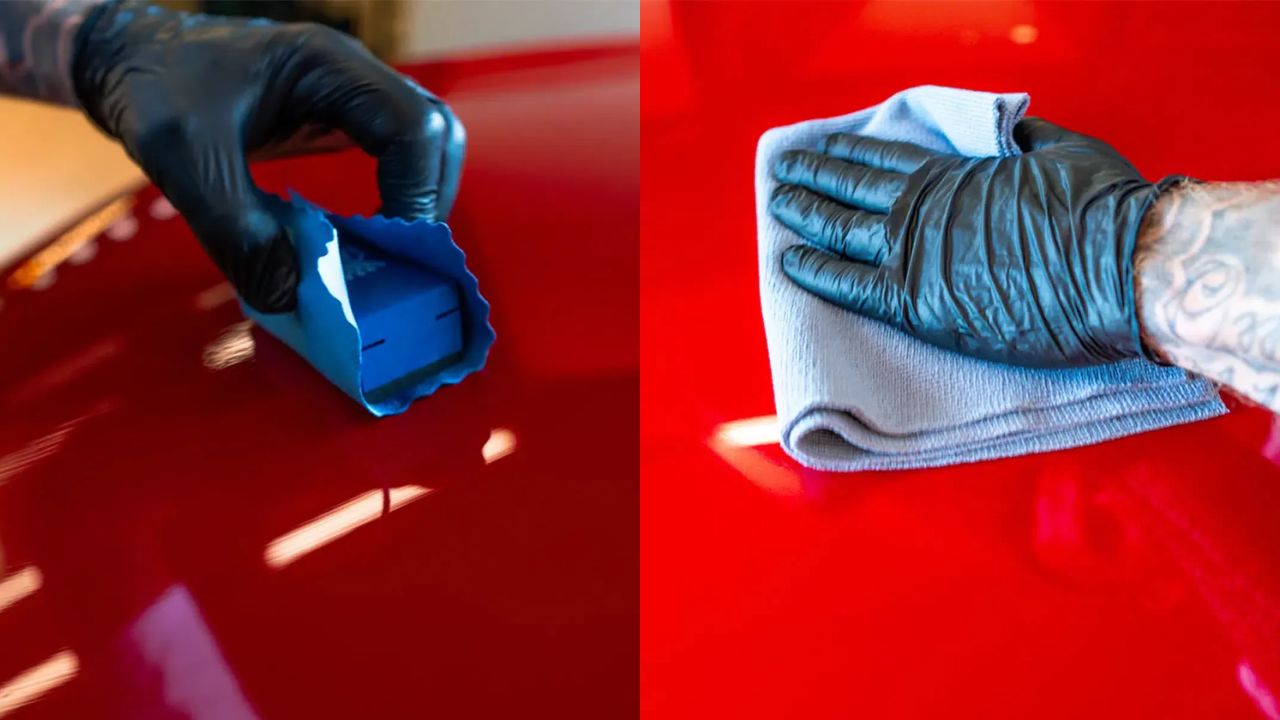
Large structures that are used in hostile environments have been coated with polysiloxane, which has gained popularity in the protection of large structures. Such a coating is characterized by a long life span, durability, high weather resistance, and the capability of ensuring a protective performance with time. With industries in need of solutions that reduce long-term maintenance costs, polysiloxane coating has come in to offer reduced life cycle costs through minimizing repairs, increasing service intervals, and avoiding earlier structural damage. Their dependability has seen them become a vital material in the industrial, marine, transport, and infrastructure applications.
The Chemistry Behind Cost Efficiency
The economic advantage of polysiloxane coating commences with its chemical composition. These coatings are based on the very stable SiO bond and are therefore extremely resistant to UV radiation, oxidation, and thermal degradation. Polysiloxane coating is also used to provide waterproofing on outdoor windows, unlike the conventional organic coatings, which degrade in extensive environmental exposure (years). Such chemical stability is highly beneficial in the reduction of degradation, i.e., structures have fewer touch-ups and recoating cycles. Since the coating has its protective value throughout its timeline, there are reduced labor and material expenses incurred by the industries when it comes to long-term maintenance.
Enhanced Weather Resistance Reduces Recoating Cycles
Big buildings are subjected to unfriendly environmental conditions like high sunlight levels, moisture, changes in temperature, and severe winds all the time. Conventional finishes will either chalk, peel, or discolor due to this stress, and this causes most traditional finishes to need to be reapplied frequently. Polysiloxane, on the other hand, has better weather resistance that significantly increases service life. Even when exposed to long periods, they still retain gloss, color, and surface integrity. This stability minimizes the number of times the coating needs to be recoated, and this aspect is among the greatest influences on overall maintenance expenses of the large-scale infrastructure.
Long-Term Corrosion Protection Saves Repair Costs
The cost of corrosion is a high cost to industries, particularly those that operate in coastal, industrial, or chemical-intensive locations. Polysiloxane coating develops a thick protective layer that does not allow moisture or corrosive material to touch the substrate. They are more resistant to salt spray, acids, alkalis, and chemical pollutants and can therefore offer much more protection to the structure of steel and concrete than many traditional systems. These coatings greatly lowered the structural repairs, surface preparation, and component replacement as they reduced the corrosion-related damage.
Mechanical Strength Minimizes Surface Damage
Big structures face abrasion, impact, and environmental debris every day, which leads to a continuous physical stress situation in them. Coatings of poly siloxane have been characterized as having high hardness, usually 4H or higher, and this gives very good resistance against wear on the surface. Their mechanical hardiness enables them to resist scratches, dents, and any other types of surface damage, which tend to require recurrent maintenance services. This is particularly an effective strength in busy or working conditions, when machinery, vehicles, or severe weather often affect surfaces.
Reduced Downtime Through Faster Application and Curing
When the maintenance of big buildings is required, it can be very expensive and cause downtimes. To limit such losses, polysiloxane paints assist in both increased application and curing properties. Most of the formulations cure faster at room temperature, which enables structures to be put into service earlier. Their application techniques are easy to use, such as spraying or brushing, which reduces the time of maintenance as well. Since the process of recoating becomes longer and the projects are done more effectively, the industries save significant amounts of time and money spent on downtime and labor.
Environmental Benefits That Support Compliance
Contemporary polysiloxane finishes are commonly created as low-VOC or solvent-free finishes, rendering them environmentally aware. This helps in minimizing the air emissions and enhancing the safety of the workers during application. Adherence to environmental laws is simplified and made cheaper since it requires fewer safety measures, containment, and ventilation arrangements. Such benefits of regulations have a direct relationship with reduced costs of operations when it comes to maintenance work.
Conclusion
Polysiloxane coats have considerable durability, resistance to the environment, and lower maintenance needs, which make them a perfect choice of protective elements to use on large buildings. These coats reduce the upkeep expenses of a structure by reducing corrosion, mitigating the number of times surfaces are recoated, and retarding the damage of the surfaces by different forces and environmental factors. The fact that they have fast-curing properties and sustainable formulations adds to their value because they minimize downtime and help ensure that they comply with regulations. With the industries still trying to find sustainable, cost-effective solutions, polysiloxane coatings have been among the top choices in ensuring that the structures remain intact without incurring high costs in maintaining them.