How to Choose a Press Brake Tooling Supplier (Without Getting Burned)
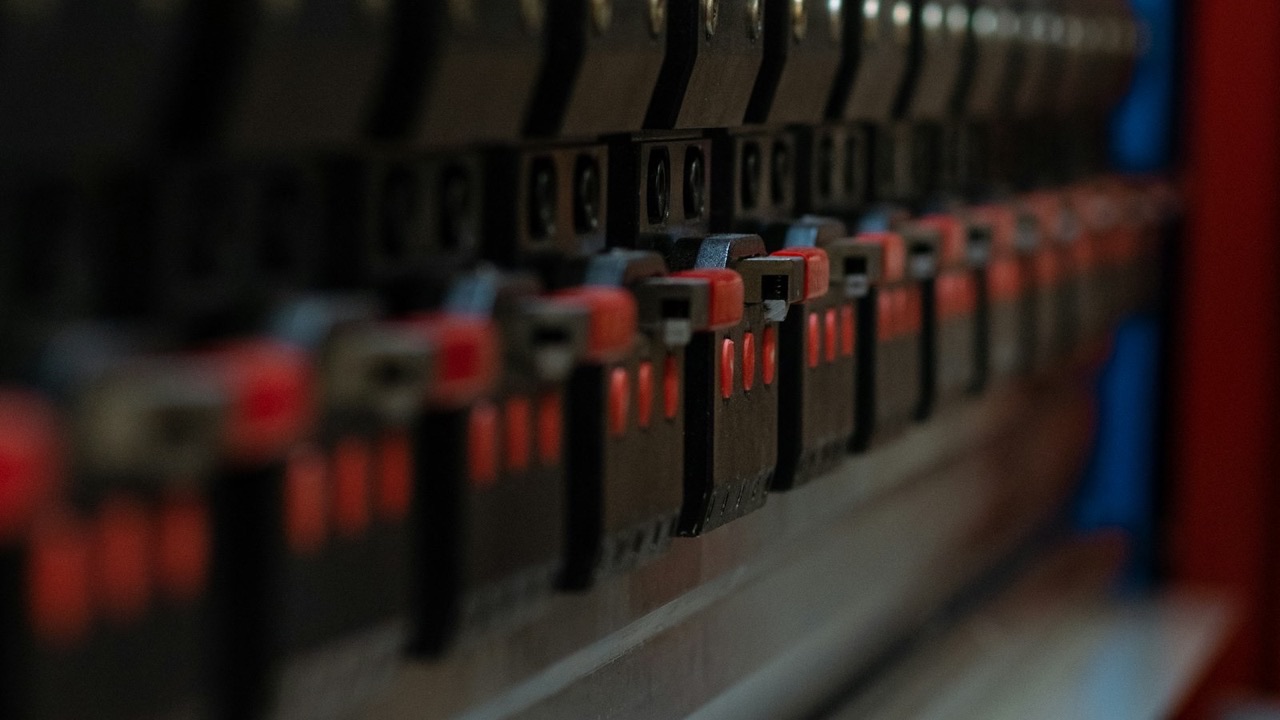
The worst tooling I ever bought looked perfect in the box. Clean grind, right profile, good price. Three months later the punch tips had rounded off and my 90° bends were drifting to 92°, and I was re-buying tools I’d expected to run for years. That’s the thing about a press brake tooling supplier — the difference between a good one and a bad one doesn’t show up on day one. It shows up in month three, or the first time a set won’t seat in your machine. Here’s how I vet a supplier now so that stops happening.
Judge the tooling on specs, not adjectives
Every supplier says their tooling is “high quality.” That word is worthless on its own. What I actually ask for are numbers:
- Steel grade. Quality tooling is made from a hardened alloy tool steel — 42CrMo4 is the common one. If a supplier can’t tell you the grade, that’s an answer in itself.
- Hardness. The working edge should sit around HRC 54–60, often induction- or laser-hardened on the tip. That hardness is what holds the angle over long runs; soft tooling rounds off and drifts.
- Ground tolerances. Precision tooling holds the punch and V-die angle to about ±0.05°, and European-style mounting surfaces to ±0.01 mm. Those tolerances are why the good stuff bends consistently.
- Straightness and parallelism. Upper and lower tools have to stay straight and parallel, or the bend line waves and the angle varies from one end of the part to the other.
A supplier who can hand you those figures — ideally with a material and hardness certificate — is a different animal from one who just repeats “premium quality.” Make them prove it in writing.
Precision-ground vs planer: match the tier to the job
There are two broad quality tiers and both have a place. Precision-ground tooling is ground and hardened to tight tolerances, seats quickly, and holds accuracy — it’s what you want for tight-tolerance parts and fast changeovers. Planer (tang-style) tooling is more robust and a good deal cheaper, and for heavy, non-critical bending it’s perfectly sensible.
The mistake is buying the wrong tier for the work — paying for precision-ground on rough structural bends, or trying to hit ±0.5° tolerances on worn planer tooling. Decide what your parts actually need before you shop, and don’t let a supplier upsell or undersell you off that.
Compatibility is the mistake that hurts most
This is the one that genuinely costs money. Press brake tooling comes in different clamping systems — American (planer/tang), European (Wila/precision), and Amada — and they are not interchangeable. A beautiful set of European tooling is useless if your machine takes American-style tang tools. Tonnage and length ratings matter too; the tool has to be rated for the force you’ll put through it.
So before I place any order, I confirm the exact clamping style and the tang or holder dimension against my machine, not just the “style” name on the listing. Getting this wrong turns a purchase into a return.
Vetting the supplier (especially overseas)
Once the tooling specs check out, I vet the company behind them — and if I’m buying from abroad, this part matters even more. I want to see the steel grade, hardness, and tolerance data in writing, and ideally a sample before a big order. I look at how they answer technical questions, their lead time, warranty, spare-parts support, and whether they’ve actually exported to my region before. A lot of this is visible right on a maker’s own catalog; for the press-brake and tooling supplier we currently run with, that’s https://www.raymaxtech.com, where I can see the range, the standards they build to, and the machine side of the business before I ever send an enquiry. A supplier who publishes real specs and answers straight is worth more than one who’s a dollar cheaper and vague.
The export-specific trap is treating a great tool and a great supplier as the same thing. A superb punch from a company that can’t get you spares for six weeks will still cost you production. Support and lead time are part of the quality equation, not separate from it.
If you’re buying the press brake too
Plenty of buyers source the machine and tooling together, and many builders supply matched tooling — convenient, and it guarantees fit, as long as you still hold them to the same spec proof. On the machine itself, the things that decide accuracy and usability aren’t just tonnage: it’s the axis count (independent Z1/Z2 fingers make it a true 6-axis for asymmetric work), the controller and software, bed crowning for long-part accuracy, and backgauge repeatability. Match those to your part mix rather than buying the biggest number on the brochure.
Real sourcing scenarios
The soft-tooling story I opened with taught me to demand hardness data — the tools were never certified, and I suspect they were nowhere near HRC 54. A second lesson came from a style mismatch: a shop I advised ordered a die set that looked right and wouldn’t seat, because it was cut for a different clamping system than their brake used — a full return over a detail a two-minute check would have caught. The good example is the supplier I still use: they sent a sample tool with a hardness certificate before the first real order, the tools ran true for years, and they had spares to me quickly when I needed them. That combination — proof up front and support after — is what earns the repeat business.
FAQ
What should I look for in press brake tooling quality? Ask for the steel grade (commonly 42CrMo4), the working-edge hardness (typically HRC 54–60), and ground tolerances such as ±0.05° on the angle. Also check straightness and parallelism. A supplier who provides these figures and a hardness certificate is offering genuine quality, not just the word.
What is the difference between precision-ground and planer tooling? Precision-ground tooling is ground and hardened to tight tolerances, seats quickly, and holds accuracy — best for precise parts and fast changeovers. Planer (tang-style) tooling is more robust and cheaper, suited to heavy or non-critical bending. Match the tier to the tolerance your parts actually require.
Are American, European, and Amada tooling interchangeable? No. They use different clamping and tang systems, so tooling made for one will not seat correctly in another. Always confirm your machine’s mounting style and the actual tang or holder dimension before ordering, rather than relying on the style name in a listing.
How do I vet an overseas press brake tooling supplier? Ask for steel grade, hardness (HRC), and tolerance data in writing, and request a sample before a large order. Check technical responsiveness, lead time, warranty, spare-parts support, and export track record to your region. Review the maker’s own catalog to confirm range and standards.
What hardness should press brake tooling be? The working edge is typically hardened to around HRC 54–60, often induction- or laser-hardened at the tip. This hardness lets the tool hold its angle over long production runs. Softer, uncertified tooling tends to round off and drift out of tolerance within months.
Can one supplier provide both the tooling and the press brake? Yes — many machine builders supply matched tooling, which guarantees fit and simplifies sourcing. It’s a practical route, but still verify the tooling’s steel, hardness, and tolerance specs, and confirm the machine’s axis, controller, and crowning suit your parts rather than assuming a bundle is optimal.
Bottom line
Choosing a press brake tooling supplier comes down to three checks in order: judge the tooling on real specs (steel, hardness, tolerance), confirm it’s compatible with your machine, then vet the company on proof and support — especially for export orders. Ask for numbers and samples, verify the clamping style before you buy, and treat lead time and spares as part of quality. Do that and you won’t be re-buying tools you expected to keep.