Advantages of Using Carbon Steel ASTM A53 Pipe in Construction Work
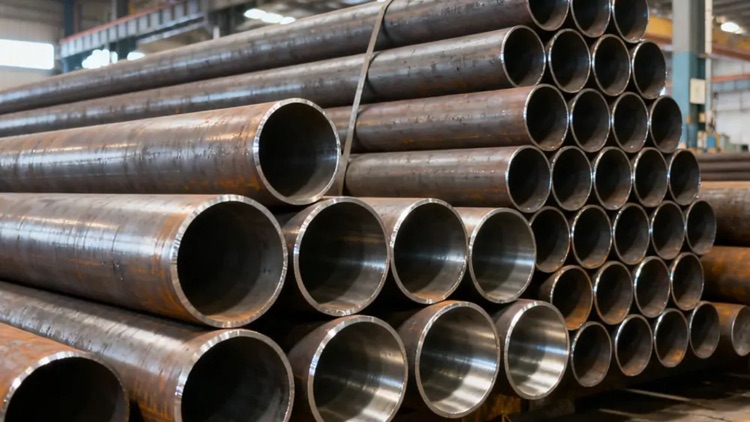
Carbon steel ASTM A53 pipe is a material that has been very popular in construction projects. It is due to its strength, durability, and flexibility. It is mostly applied in the construction of buildings, scaffolds, water distribution systems, and structural frameworks. Construction work involves materials that can support heavy loads and other environmental factors. This carbon steel astm a53 pipe is very suitable for these needs, and as such, it has become a favorite among engineers and contractors. This knowledge of its benefits can assist in choosing the appropriate material to be used in safe and sustainable construction projects.
High Strength and Load-Bearing Capacity
One of the biggest advantages is its high strength. It does not bend or break easily under heavy loads, and this is very crucial in construction structures.
This makes it highly suitable for structural applications such as:
- Columns
- Beams
- Load-bearing supports
- Framework structures
It has good mechanical properties that have enabled it to work when under pressure and stress. Due to this strength, the builders can be assured of using the material in both small and large construction projects and know that the structure will be stable and safe in the long term.
Durability and Long Service Life
ASTM A53 pipes are made of carbon steel that is characterized by long service life and durability. They are made to be able to work in harsh conditions, such as heavy use, and be exposed to various weather conditions. These pipes are capable of many years of life when they are installed and kept in good condition. This saves the frequent replacements and repairs. Durability in construction work is very crucial as it directly relates to the cost of maintenance and the life span of the building. These pipes are a good long-term solution for builders.
Cost-Effectiveness for Large Projects
Cost-effectiveness is another key benefit. ASTM A53 carbon steel pipe is cheaper than many other materials of high strength but does not compromise performance. This is a good option in large construction works where cost management is a consideration. Material costs can be minimized by contractors without sacrificing quality or safety. Its variety in sizes and types also contributes to choosing the most cost-effective one to use in certain project requirements. This price-performance ratio contributes to its popularity among the construction industry.
Easy Availability and Standardization
ASTM A53 pipes can be easily found in the world market, and this makes it easier to procure for the construction companies. They are based on a common specification, so buyers get to experience uniform performance and quality with various suppliers. This standardization enables the engineers to design systems with confidence since they are sure that the material will be as per the required specifications. Delays in projects due to a shortage of materials are also minimized by easy availability. Consequently, building works will be able to proceed without any needless delays.
Versatile Applications in Construction
Another key strength is the versatility of carbon steel pipe, ASTM A53. Carbon steel ASTM A53 pipes are highly versatile and can be used in a wide range of construction applications, including:
- Structural frameworks
- Scaffolding systems
- Fencing and support structures
- Plumbing and water supply lines
- Temporary construction setups
This is because it can be modified to suit many applications and, therefore, contractors do not have to obtain different kinds of materials to fit different sections of the project. This flexibility enables easy construction planning and implementation.
ASTM A53 vs Other Common Steel Pipe Grades
Good Weldability and Fabrication
ASTM A53 pipes have good weldability, which implies that they can be easily cut, joined, and shaped to suit the project’s needs. This simplifies the role of fabrication by construction teams. Pipe lengths and shapes can be customized on-site or in the workshops by workers with ease, without compromising strength or quality. This flexibility is highly applicable in complicated construction designs, whereby accurate fitting is needed. Good weldability also contributes to shortening the time spent on installation and decreasing the expenses spent on labor, which simplifies the construction process, in general.
Conclusion
Carbon steel ASTM A53 pipes have numerous benefits in construction activities, such as strength, longevity, economic aspect, and flexibility. They are even more useful to engineers and contractors because of their convenient accessibility and ability to be welded. Such characteristics make construction structures safe, stable, and durable. The selection of ASTM A53 pipes will allow construction specialists to attain superior performance at a reasonably low cost for the project. This has rendered it one of the surest materials to be employed in building projects in the contemporary world.