When the Old Steam Pipe Can't Handle the New Pressure
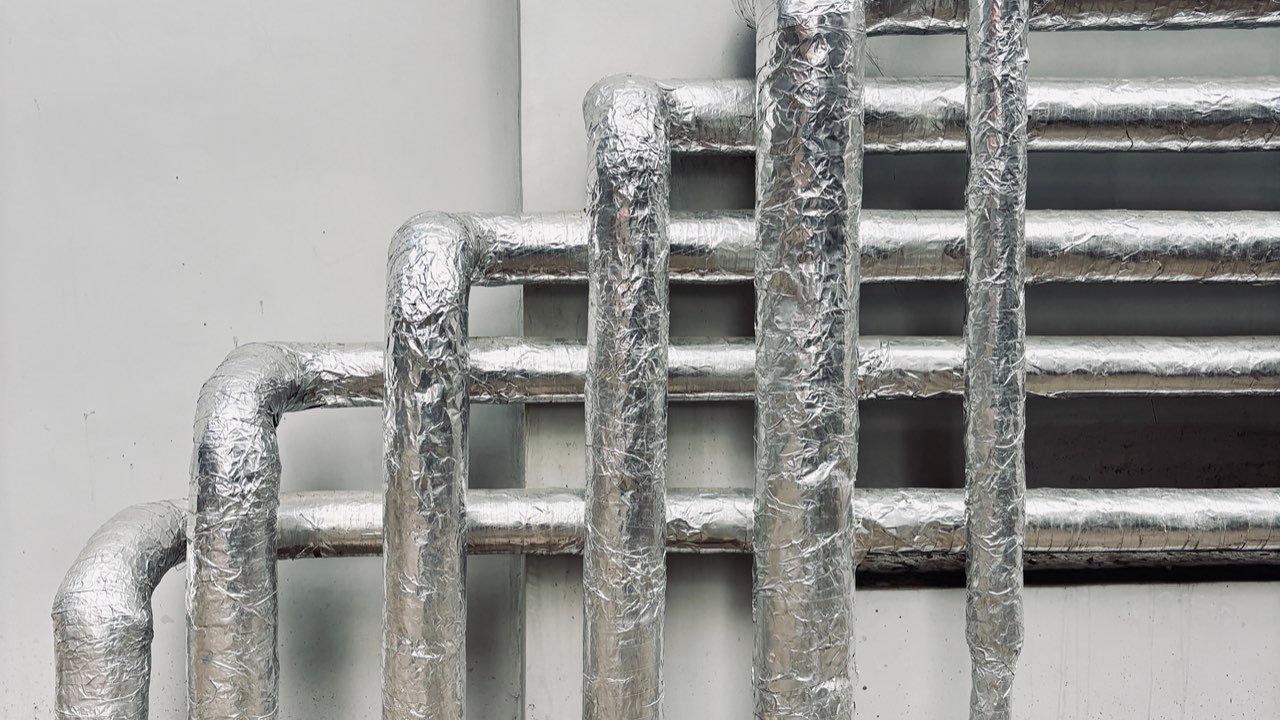
The plant had been running the same steam distribution network for about eighteen years. It wasn’t glamorous infrastructure — insulated carbon steel pipe running from a central boiler house out to processing equipment across three buildings — but it worked. Then came the decision to upgrade the boiler and push operating pressure from 100 psi to 175 psi.
Nobody expected the pipe itself to become the biggest cost item in the project scope.
What Changed and Why It Mattered
The original steam network was engineered for 100 psi saturated steam. The pipe was Schedule 40 throughout — 2-inch and 3-inch carbon steel, ASTM A53 Grade B. At 100 psi, this was correctly specified. The allowable working pressure for NPS 2 Schedule 40 A53 Grade B pipe at steam temperatures is well above 100 psi, with margin to spare.
At 175 psi, the picture looked different. The operating pressure was still within the allowable working pressure of the Schedule 40 pipe — technically. But the calculation that matters for pressure systems isn’t just “can this pipe handle the pressure.” It’s “can this pipe handle the pressure at the design temperature, accounting for the corrosion allowance, the manufacturing tolerance, and the code safety factor required for the applicable service.”
When the mechanical engineer ran through the ASME B31.1 calculation for steam service at 175 psi and the elevated temperature that came with the higher-pressure steam, the required minimum wall thickness came out higher than what the existing Schedule 40 pipe could guarantee after eighteen years of service. Some of it was still fine. Some sections, particularly in areas with visible external corrosion and sections near elbows where flow-accelerated corrosion had been an issue, had lost enough wall that the remaining thickness was uncomfortably close to the new minimum.
The retrofit wasn’t just about the new boiler. It was about every meter of pipe between the boiler and the end-use equipment.
What Schedule 80 Actually Provides
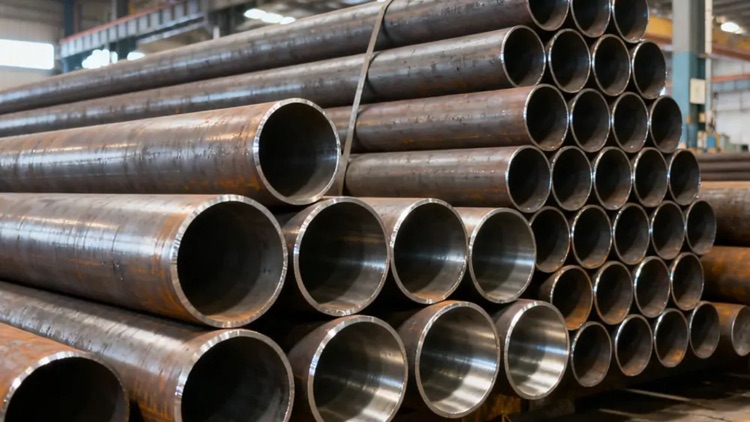
Schedule 80 and Schedule 40 have the same outside diameter. An NPS 2 pipe is 60.3 mm OD in both schedules. What’s different is the wall: Schedule 40 gives you 3.91 mm, Schedule 80 gives you 5.54 mm. That’s 42 percent more wall thickness.
In a new installation, the pressure advantage of Schedule 80 isn’t always needed. For a lot of water and low-pressure applications, Schedule 40 provides more than adequate pressure rating. The reason Schedule 80 matters in steam systems — particularly steam systems at moderate to high pressures — is the combination of factors that all work against the pipe wall simultaneously: elevated temperature reducing material allowable stress, internal corrosion from condensate during startup and shutdown cycles, and flow-accelerated corrosion at directional changes.
A pipe that was correctly specified for 100 psi steam with Schedule 40 may not be correctly specified for 175 psi steam with the same wall, once you account for the temperature differential, the updated corrosion allowance, and the accumulated service degradation. The reference point for Schedule 40 vs Schedule 80 pipe isn’t just about the nameplate pressure — it’s about what the pipe will actually be carrying and what it will look like after years of service.
How the Replacement Decision Was Made
Not all the pipe in that steam network got replaced. The project team did something sensible: they ran an ultrasonic thickness survey on the existing pipe before making any replacement decisions.
Ultrasonic thickness testing reads the remaining wall without cutting into the pipe. At points throughout the network — at elbows, at tees, at straight sections near the boiler and at the far ends of the distribution legs — they measured actual wall thickness and compared it against the minimum required wall for 175 psi service under B31.1.
The sections that measured above the required minimum stayed. They were re-inspected, and the baseline measurements were recorded for future comparison. The sections that had degraded to the point where the remaining wall was below the new minimum — or within a margin that didn’t leave comfortable life for the next inspection cycle — were replaced.
All replacement pipe was specified as Schedule 80. The logic was straightforward: if a section is being replaced because Schedule 40 had degraded to an inadequate wall after eighteen years of service, putting new Schedule 40 back in the same location doesn’t solve the underlying dynamic. The higher starting wall of Schedule 80 provides a longer service window before the minimum wall threshold is reached again.
The Cost Calculation That Surprised People
When the initial replacement scope was estimated using Schedule 40 pricing, the material cost looked manageable. When the specification changed to Schedule 80, there was a reaction — Schedule 80 costs more per meter, obviously.
What the pushback missed was the installed cost comparison. The pipe itself is more expensive at Schedule 80. The installation labor — cutting, fitting, welding, testing — is almost identical. The insulation, hangers, and supports are the same. The inspection and commissioning are the same. On a per-project basis, the cost premium for Schedule 80 over Schedule 40 in a steam service replacement comes down to the pipe material itself, which represents a fraction of the total installed cost.
Running that calculation against the expected service life and the cost of the next replacement cycle shifted the perspective. A section that would need to be replaced again in ten to twelve years on Schedule 40 might run eighteen to twenty years on Schedule 80 before hitting the same wall threshold, given similar service conditions. Spread across two replacement cycles, the material premium for the heavier schedule looked a lot more reasonable.
What This Means for Any Pressurized System Upgrade
Steam systems are the most common context for this kind of schedule upgrade, because the combination of high temperature, cyclical condensate exposure, and the consequences of failure are all elevated compared to lower-stakes piping. But the underlying logic applies to any pressurized system where operating conditions are being changed.
If the operating pressure or temperature of a system increases, the existing pipe needs to be re-evaluated against the new design conditions — not assumed to be adequate because it was correctly specified for the old ones. The new conditions change both the required minimum wall and the rate at which the actual wall will degrade over time. Those two factors together determine whether the existing pipe can remain in service, and under what inspection and monitoring regime.
In the case of that steam network, the answer was partial replacement with an upgrade in schedule. The remaining original pipe is still in service, monitored and within specification. The replaced sections are running heavier wall and expected to remain within specification for longer. It was a more expensive project than anyone initially hoped. It was also the right call.